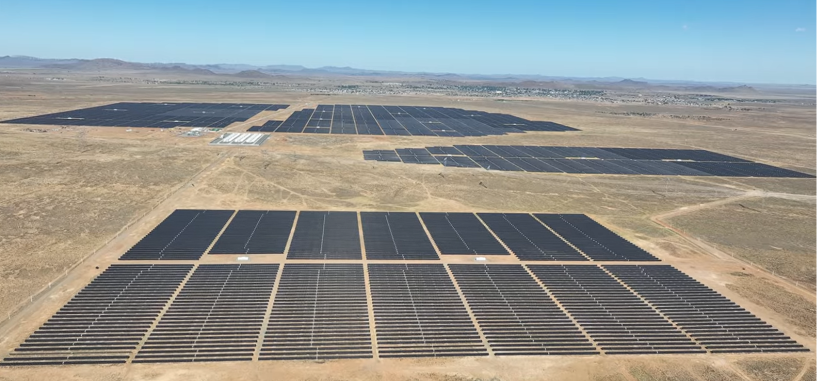
3E was appointed by TotalEnergies Renewables Southern Africa and National Transmission Company South Africa (NTCSA) as Independent Engineer for the TotalEnergies Hydra Storage Project, one of Africa's largest hybrid renewable energy facilities. Located near De Aar in South Africa's Northern Cape, the project combines 216 MWp of solar PV generation with 500 MWh of battery energy storage (BESS) to deliver reliable, dispatchable renewable power to the national grid. In this article, we explain what makes this project unique and how 3E contributed to it.
Key takeaways
- With 216 MWp solar PV & 500 MWh BESS, the TotalEnergies Hydra Storage project is one of the largest hybrid power plant operating in Africa.
- Hybrid projects are more complex than solar plus a battery. The complexity lies in the integration of PV, BESS, PCS, grid infrastructure and hybrid control system.
- Storage is what makes renewable energy’s output controllable. For a grid that has faced repeated supply crises, like South Africa’s, storage is a good way to make renewable power available when it is needed, and have better grid flexibility and stability.
- An Independent Engineer is key as it serves as an impartial reference point on technical and contractual matters for owners, lenders and stakeholders. Independent engineering services can be provided from design through to operations.
- Choosing for a technical advisor with local presence and in-depth expertise in hybrid projects is critical. A hybrid project needs PV, storage, grid compliance and metering knowledge, and engineers who can be onsite for inspections and commissioning.
The TotalEnergies Hydra Storage Project: one of Africa's largest hybrid renewable energy projects
The Hydra Storage Project combines utility-scale solar generation with large-scale battery storage to provide 75 MWac of contracted capacity to the grid. Unlike conventional solar plants, Hydra can continue supplying electricity well beyond daylight hours, helping meet demand during critical periods and improving system flexibility.
TotalEnergies is a global integrated energy company active in about 120 countries. It is building a portfolio that combines renewables with flexible assets such as storage, and holds nearly 24.1 GW of gross renewable power generation capacity in 2026. Hydra is one example of that strategy in practice.
Key project highlights include:
- 216 MWp solar PV capacity
- 500 MWh battery energy storage system
- 75 MWac contracted capacity
- More than 400 GWh annual energy generation
- Power supplied under a 20-year PPA with NTCSA
- One of the largest operational hybrid renewable energy facilities in Africa
By pairing solar generation with energy storage, the project contributes to improved energy security while supporting South Africa's transition toward a lower-carbon electricity system.
Commissioned under South Africa's Risk Mitigation Independent Power Producer Procurement Programme (RMIPPPP), Hydra represents a significant milestone in the country's energy transition and demonstrates the growing role of battery storage in enabling renewable energy integration at scale.
What was the role of 3E as an Independent Engineer for the Hydra hybrid project?
As Independent Engineer, 3E provided impartial technical oversight throughout the project's construction, testing, commissioning and compliance phases. Our role included:
Construction Verification
- Issuance of construction commencement and completion certifications
- Site inspections during construction
- Verification of as-built installations against approved designs
Equipment Assessment
- Review of testing procedures and applicable standards
- Witnessing Factory Acceptance Testing (FAT) for key equipment, including Battery Energy Storage Systems (BESS), Power Conversion Systems (PCS), PV modules and PV inverters
- Review of manufacturer test reports
Commissioning and Performance Verification
- Witnessing functional and reliability testing
- Verification of commissioning procedures
- Assessment of facility readiness for operation
Compliance Monitoring
- Verification of National Grid Code compliance
- Witnessing grid compliance testing
- Review of equipment certifications and technical documentation
- Verification of metering systems and certification requirements
Energisation Readiness
- Confirmation of compliance before energisation and grid connection
- Independent validation that contractual and technical requirements had been achieved
Through these activities, 3E provided project stakeholders with a single, trusted technical reference point for project compliance and milestone certification.
[Read more about the engineering and technical advisory services provided by 3E]
What are the main technical challenges of solar + battery storage projects?
Hybrid projects involve significantly more than simply adding a battery to a solar plant.
The integration of PV generation, battery storage, power conversion systems, metering infrastructure, grid connection equipment and advanced control systems creates a complex and highly interconnected energy facility that must operate as a single coordinated asset.
One of the most critical aspects is the hybrid plant controller, that manages:
- Solar generation output
- Battery charging and discharging
- Grid export limits
- Operational setpoints
- Response to varying grid conditions
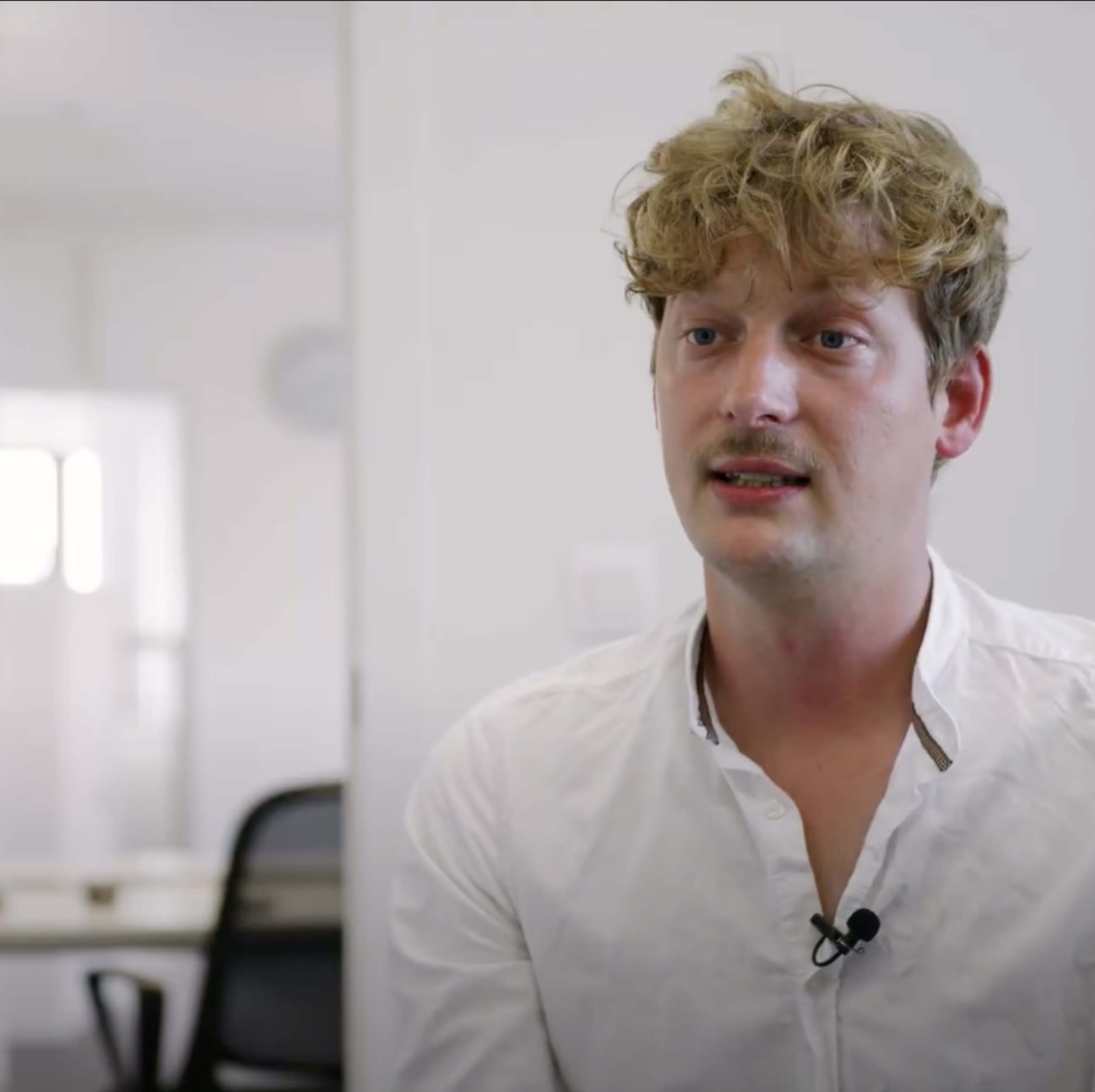
Vimbai Tsaurai, Expert in Renewable Energy at 3E, explains:
“Integrated hybrid-system controls and functionality means ensuring that the PV, battery and grid connection operate together as one coordinated system. The plant controller must manage grid capacity, PV output, battery charging and discharging, and respond correctly to operational and contractual setpoints. Testing verifies that the system performs as intended, including under conditions such as a full or empty battery, excess PV generation, export limits and grid events.”
Successful hybrid project delivery requires careful planning, clearly defined control philosophies and comprehensive testing programmes from an early stage.
[Discover this case study on how 3E supported Opdenergy in hybridising its solar plants with BESS]
Why to add battery storage to solar, in South Africa and anywhere?
Battery storage transforms renewable generation from an intermittent resource into a controllable asset. For power systems facing supply constraints or increasing renewable penetration, storage provides:
- Improved grid stability
- Greater operational flexibility
- Increased renewable energy utilisation
- Extended delivery windows beyond daylight hours
- Enhanced security of supply
The Hydra project demonstrates how large-scale storage can unlock additional value from renewable generation while supporting grid reliability.
How to select the right Independent Engineer for your hybrid solar and BESS project?
Hybrid projects require specialist expertise across multiple disciplines. A hybrid project requires a team of technical advisors with knowledge of:
- Solar PV systems
- Battery energy storage
- Electrical infrastructure
- Grid compliance
- Metering and certification
- Testing and commissioning
- Hybrid control systems
Equally important is having local presence to support site inspections, factory testing, commissioning activities and stakeholder engagement. With a dedicated South African team and extensive international experience in renewable energy, storage and hybrid projects, 3E provided the integrated technical expertise necessary to support Hydra through successful completion.
[Read more about 3E’s South African team]
Looking for a top company offering Independent Engineering services in solar and BESS?
As hybrid renewable energy projects become increasingly important to power system reliability, the role of independent technical advisors continues to grow. Projects such as Hydra demonstrate how solar PV and battery storage can work together to deliver cleaner, more flexible and more reliable power systems.
Whether you are developing, building or financing a hybrid project, our renewable energy consultants can advise you. Get in touch to talk it through.